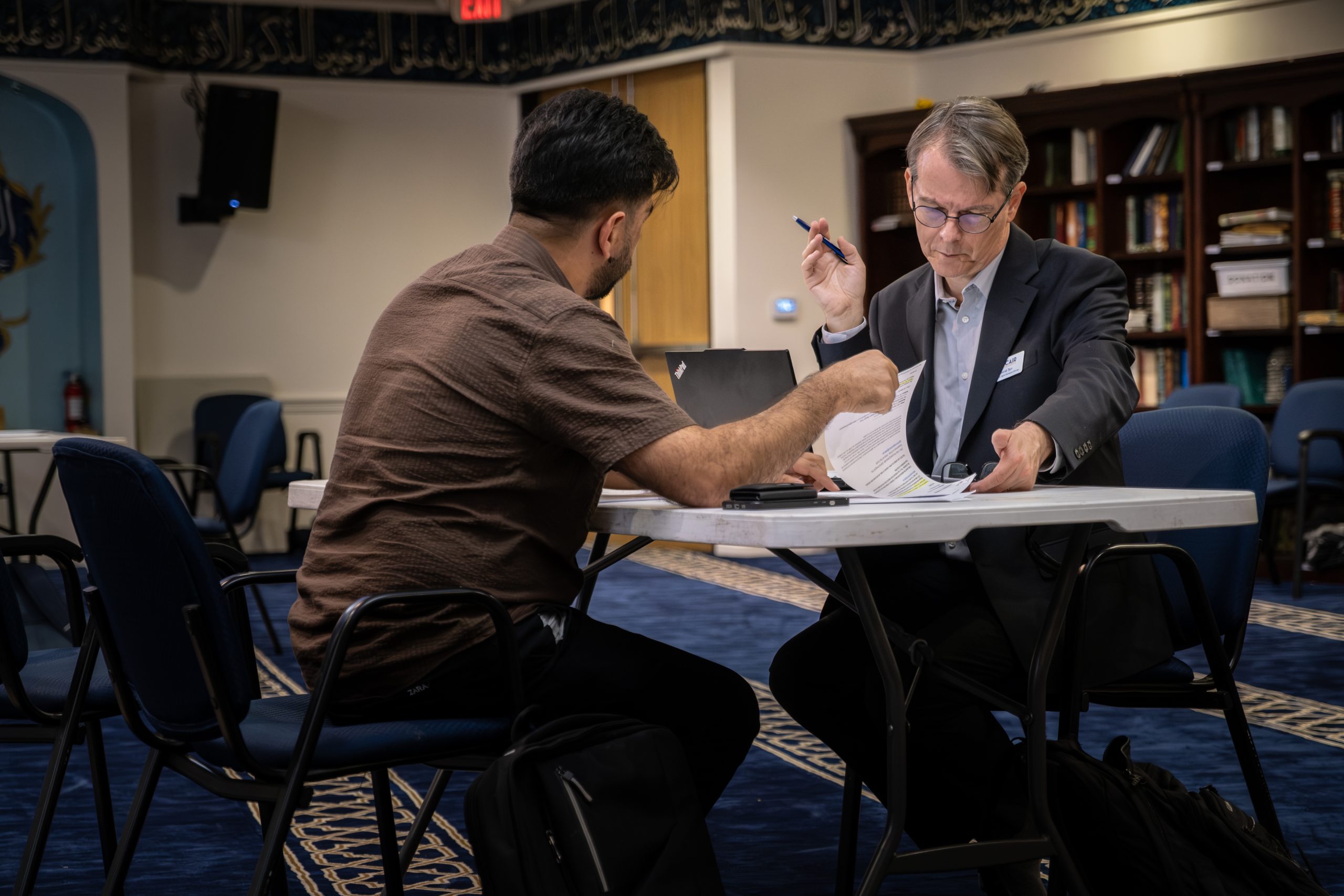
Applying for U.S. citizenship is a major step, and many lawful permanent residents have questions before they begin. The process has also become more complicated in recent months due to federal policy changes affecting applicants from certain countries.
The following are answers to some of the most common questions we hear about naturalization. If you have additional questions or do not want to navigate the process alone, CAIR-SFBA’s legal team is here to help.
- Who is eligible to apply for U.S. citizenship?
Most applicants must be at least 18 years old, have had a green card for at least five years, meet residence and physical presence requirements, show good moral character, pass the English and civics tests, and take the Oath of Allegiance. Some applicants may qualify after three years if they are married to and living with a U.S. citizen.Applicants born in or citizens of certain countries may face additional delays or review under recent federal policy changes. This does not mean they are automatically ineligible. Contact CAIR-SFBA to find out whether these changes may affect your case.
- When can I apply?
Many applicants can submit Form N-400 up to 90 days before their five-year green card anniversary or three-year anniversary if applying based on marriage to a U.S. citizen. - Do my children have to apply for citizenship with me?
It depends on their age and immigration status. Some children under 18 who have green cards may automatically become U.S. citizens when a parent naturalizes. This depends on several factors, including whether the child lives in the U.S. in the legal and physical custody of the naturalizing parent. Children who do not automatically acquire citizenship may need to apply on their own once they are eligible. - What is the difference between “continuous residence” and “physical presence”?
Continuous residence means you maintained your home in the U.S. during the required period. Physical presence means how much time you were actually inside the U.S. For many applicants applying under the five-year rule, this usually means being physically present in the U.S. for at least 30 months during the five-year period. - Can I apply if I traveled outside the United States?
Yes, but long trips can affect your eligibility. Travel of six months or more may raise questions about whether you broke continuous residence, and travel of one year or more can create serious issues. Frequent shorter trips outside the country may also raise questions if cumulatively they add up to more than six months in any given year. If you have had long absences from the U.S., contact CAIR-SFBA before applying. - What if I have a criminal record?
It depends on the nature and timing of the offense. Some convictions are automatic bars to citizenship, while others may affect your application without necessarily disqualifying you. Do not assume your record disqualifies you, but do not assume it does not matter either. If you have ever been charged with any crime, even if you believe the charges were dismissed or you were found not guilty, get a copy of your court dispositions and any other relevant documents and contact CAIR-SFBA before applying. - What documents do I need?
Most applicants should be prepared to provide their green card, identification, travel history, address and employment history, tax records, and any marriage, divorce, child support, arrest, citation, or immigration-related records that apply to their case. The exact documents you need depend on your situation. - How much does it cost to apply?
Filing fees change, so applicants should check the current fee before filing Form N-400. Some applicants may qualify for a fee waiver or reduced fee based on income or financial hardship. - What happens after I submit my application?
USCIS reviews the application, may schedule a biometrics appointment, and then schedules a naturalization interview. At the interview, a USCIS officer will ask questions about your application and background. Most applicants also take the English and civics tests at that time. - Do I have to take the English and civics tests?
Most applicants do, but some older permanent residents and people with qualifying disabilities may qualify for exceptions or accommodations. If you filed Form N-400 on or after October 20, 2025, you would take the updated 2025 civics test, which includes up to 20 questions from a pool of 128. You must answer 12 correctly to pass. Applicants who filed before that date generally take the previous version. Contact CAIR-SFBA if you think you may need an exemption or accommodation. - How do I check the status of my immigration case?
You can check your case through your USCIS online account at myaccount.uscis.gov. If you filed a paper application, you can also check by entering your receipt number at egov.uscis.gov. For more complex questions about your case, including delays, requests for evidence, or canceled appointments, contact CAIR-SFBA for guidance. - Where can I get help with my citizenship application?
You do not have to navigate the citizenship process alone. CAIR-SFBA’s immigration attorneys can help with eligibility assessments, fee waiver assistance, application preparation, and interview support.
If you’re ready to take the next step, schedule a consultation or attend one of our upcoming free citizenship clinics.